 计时中



How to Match a PCR Assay to a qPCR Instrument: 6 Things to Check First
PCR assay compatibility is more than successful amplification. Here are six practical items to confirm before evaluating a qPCR instrument, from fluorescence channels and thermal protocols to data interpretation and intended use.
2026-09-01
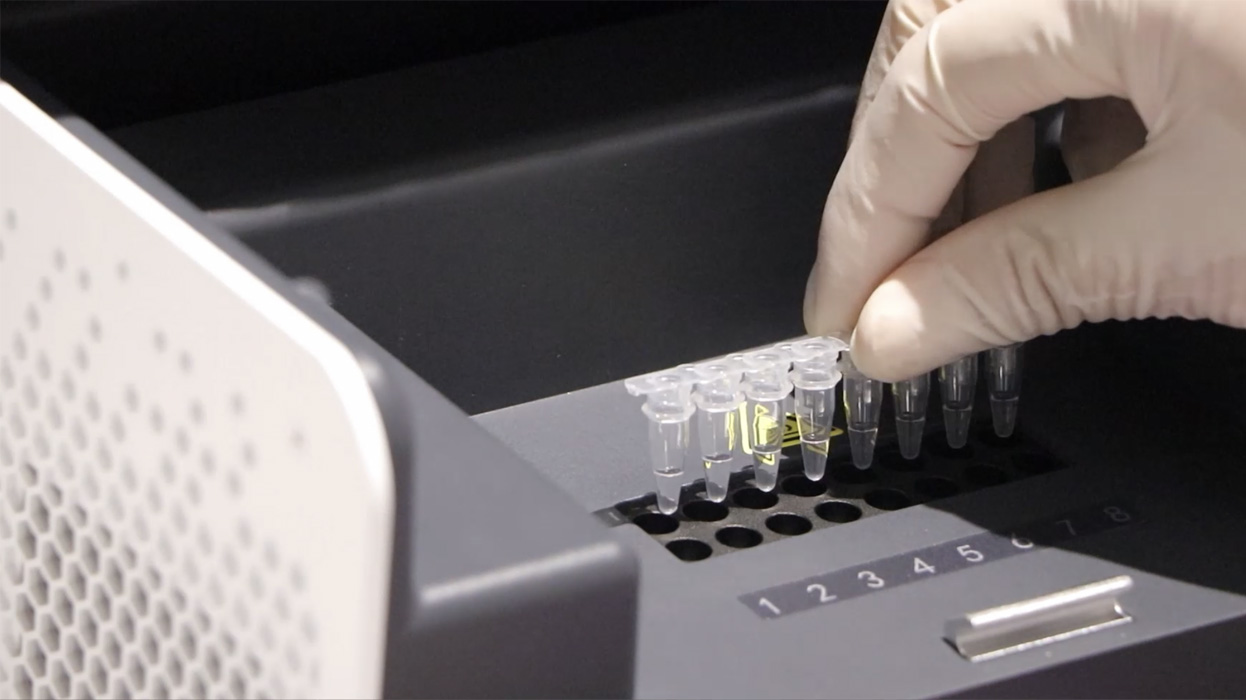
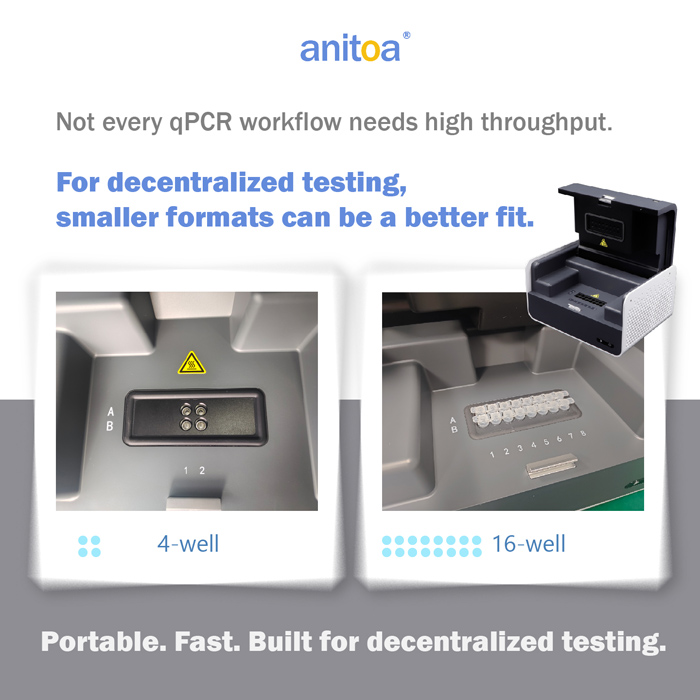
4-Well or 16-Well? Choosing Portable qPCR Capacity Based on Real Sample Throughput
Portable qPCR capacity should match the full testing run, including samples and controls. A 4-well system suits immediate very-low-volume testing, while 16 wells fit repeated small-batch workflows.
2026-08-31
Portable qPCR for Field & Decentralized Molecular Testing | Anitoa
Portable qPCR is most valuable when it changes the workflow, not simply when the instrument is smaller. See where compact qPCR can reduce transport and waiting time, improve cost efficiency, and bring molecular testing closer to the sample.
2026-08-24
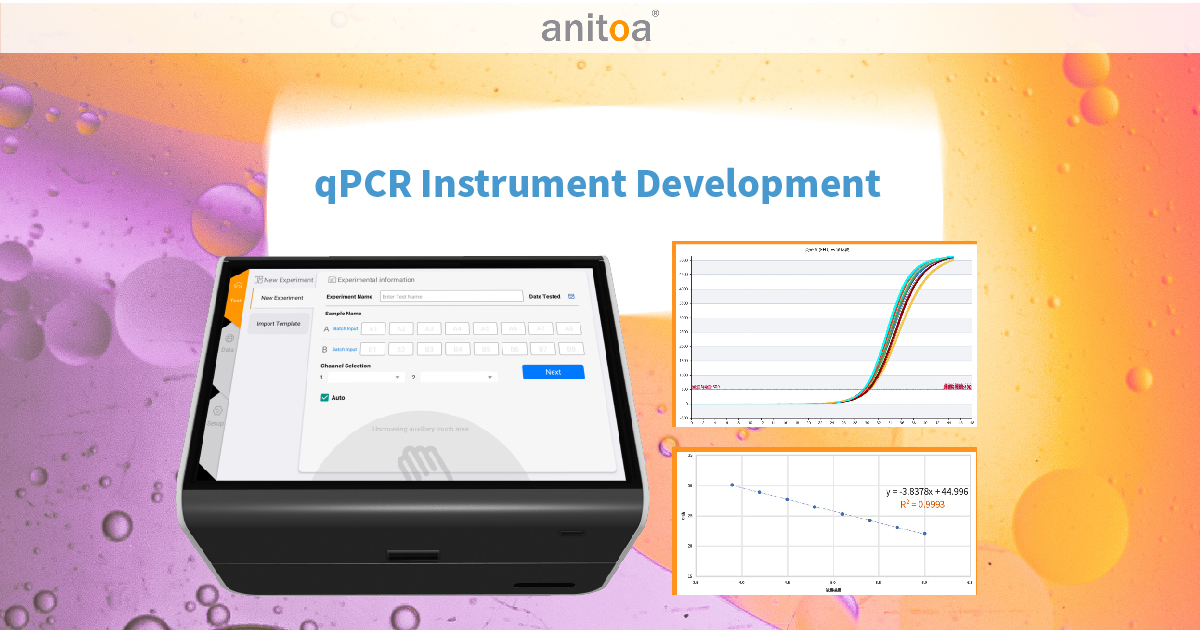
Why PCR Assay Companies Do Not Always Need to Develop Their Own qPCR Instrument
Does every PCR assay company need to develop its own instrument? Explore the engineering requirements, benefits of established qPCR platforms and key considerations when choosing an instrument partner.
2026-07-28

qPCR OEM/ODM: Why a Mature Instrument Platform Often Makes More Sense Than Starting from Scratch
For PCR reagent companies and diagnostic brands, a mature qPCR platform can offer a more practical route to market. Explore OEM/ODM options covering branding, instrument configuration, assay and data adaptation, software, and project-specific engineering.
2023-08-22
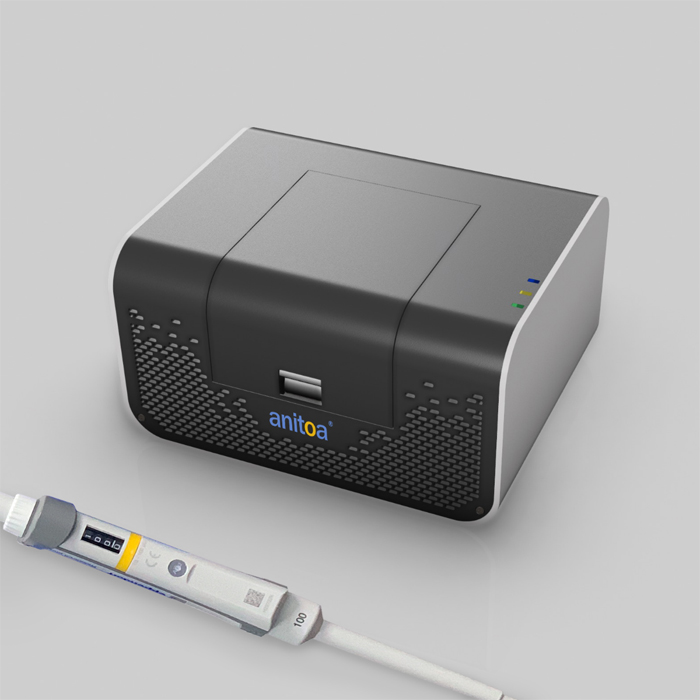
Explore the Potential of Portable qPCR Instruments for Point-of-Care Testing (POCT) in Resource-Limited or Remote Areas
Portable qPCR instruments are revolutionizing the field of molecular diagnostics, enabling researchers and healthcare professionals to perform accurate and sensitive tests in settings that were previously impossible or impractical.
2023-04-08

Fluorescence quantitative PCR (qPCR) in food safety
qPCR technology plays an important role in the field of food safety. Through the rapid and accurate detection of harmful substances, we can protect the health of consumers and the quality and safety of food, so as to build trust and enhance brand value. At the same time, compared with traditional methods, qPCR technology has shorter detection time, higher sensitivity and lower false alarm rate, and has better cost-effectiveness and competitive advantages.
2023-04-02
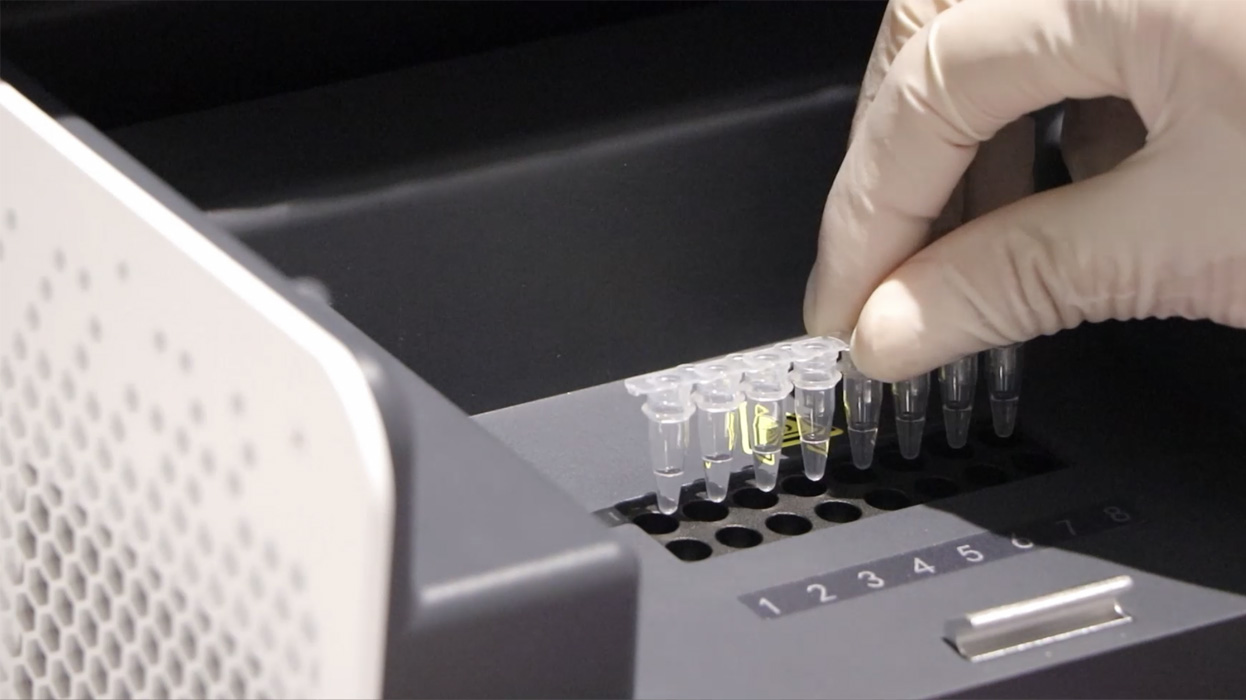
Understanding PCR vs. qPCR: Advantages of qPCR over traditional PCR
Compared with traditional PCR, qPCR has many advantages in sensitivity, accuracy and speed, making it an important tool for various applications including gene expression analysis, pathogen detection and genetic disease diagnosis.
2023-03-29
