Explore the Potential of Portable qPCR Instruments for Point-of-Care Testing (POCT) in Resource-Limited or Remote Areas
Portable qPCR instruments are revolutionizing the field of molecular diagnostics, enabling researchers and healthcare professionals to perform accurate and sensitive tests in settings that were previously impossible or impractical. One area where these devices are promising is point-of-care testing (POCT) in resource-limited or remote areas where traditional laboratory facilities are limited or non-existent. In this article, we will explore the potential of portable qPCR instruments in POCT and discuss some of the challenges and opportunities associated with this technology.
Portable qPCR instrument in POCT
First, let's define what POCT means. Essentially, this refers to any diagnostic test that can be performed at or near the patient care site, not in a central laboratory. POCT has several advantages over traditional laboratory tests, including faster turnaround time, reduced transportation and storage costs, and improved patient outcomes through faster diagnosis and treatment. However, implementing POCT in resource-limited or remote locations can be a challenge due to limited infrastructure, lack of trained personnel, and difficulty in maintaining and calibrating complex laboratory instruments.
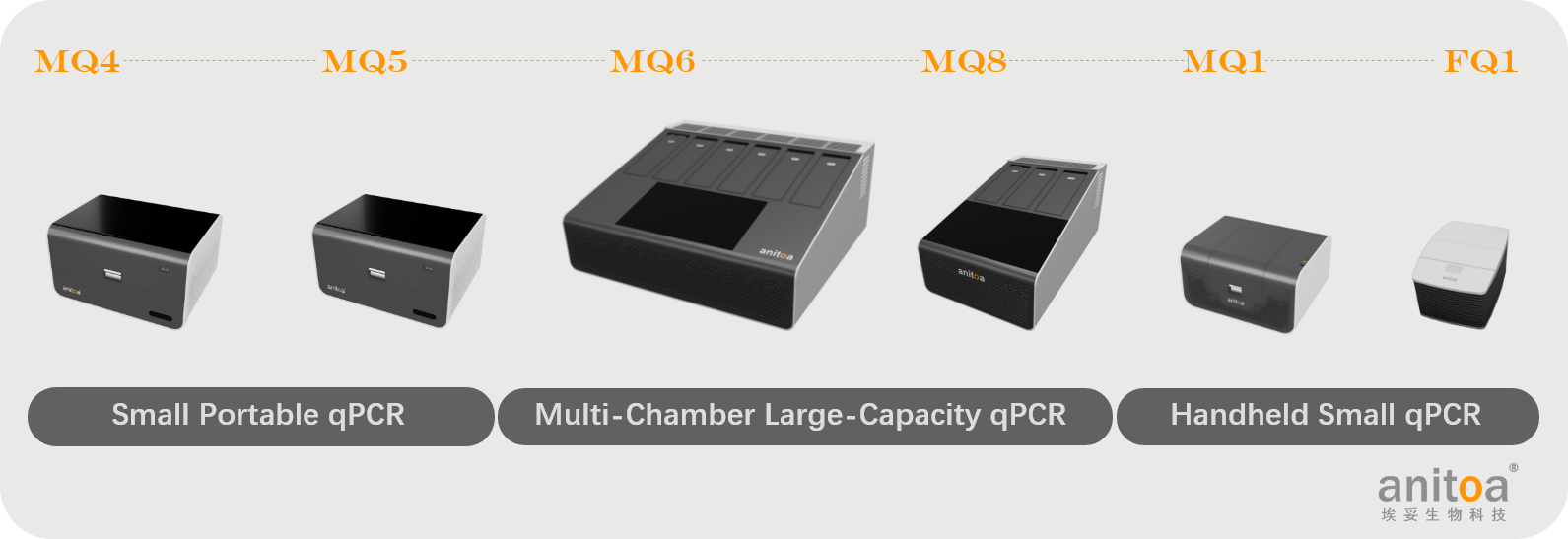
This is where portable qPCR instruments come in. These devices are designed to be small, rugged, and easy to use without compromising accuracy or sensitivity. For example, our Anitoa qPCR instruments use advanced chip technology and microfluidic technology to perform rapid and accurate nucleic acid amplification and detection, even in challenging samples or conditions. These instruments can be used for various types of samples, including blood, saliva, urine, and swabs, and can detect a wide range of targets, from viral or bacterial pathogens to genetic mutations or biomarkers.
What are the potential applications of portable qPCR instruments for POCT in resource-limited or remote locations?
Here are a few examples:
1. Infectious Disease Diagnosis: Portable qPCR instruments can be used to detect and identify infectious agents such as HIV, malaria, tuberculosis, and Ebola, enabling rapid diagnosis and treatment. This may be particularly valuable in areas with a high disease burden and limited centralized laboratory facilities.
2. Environmental monitoring: Portable qPCR instruments can be used to detect and quantify contaminants, pathogens, or other contaminants in water, soil, or air samples. This is valuable for environmental monitoring or disaster response efforts, where rapid and accurate detection is essential.
3. Veterinary medicine: Portable qPCR instruments can be used to diagnose and monitor animal diseases, such as avian influenza or African swine fever, in remote or rural areas. This may help prevent the spread of infectious pathogens and improve animal health and welfare.
4. Cancer diagnosis: Portable qPCR instruments can be used to detect genetic mutations or biomarkers associated with cancer, enabling earlier and more accurate diagnosis and treatment. This may be particularly valuable in areas where access to centralized oncology centers is limited.
Of course, there are some challenges and limitations to using portable qPCR instruments in POCT. These devices may require specialized training and maintenance, and regulatory hurdles may need to be overcome in some areas. However, with proper planning and support, portable qPCR instruments have the potential to revolutionize the way we approach molecular diagnostics and medical care in resource-limited or remote settings.
Anitoa is committed to promoting the development of molecular diagnostics with qPCR instruments.
Portable qPCR instruments offer a promising new approach for point-of-care testing in resource-limited or remote locations. By providing rapid and accurate diagnosis of a wide range of targets, these devices can have a profound impact on healthcare services and disease control efforts worldwide. As technology continues to evolve and improve, we can expect to see more innovative applications and use cases emerge in the coming years. Anitoa is committed to advancing the field of molecular diagnostics through the development of our continuously upgrading qPCR instruments, and we are excited to see the potential of these technologies in improving global health. If you are interested in learning more about our products and services, please visit our website or contact us directly. Thank you for reading!